Are Cashews Safe for Dogs?
We earn from qualifying Amazon purchases. It doesn't change what we recommend.
For general pet-health questions, the AVMA pet-owner resources are a reliable starting point, and your veterinarian should guide individual decisions.
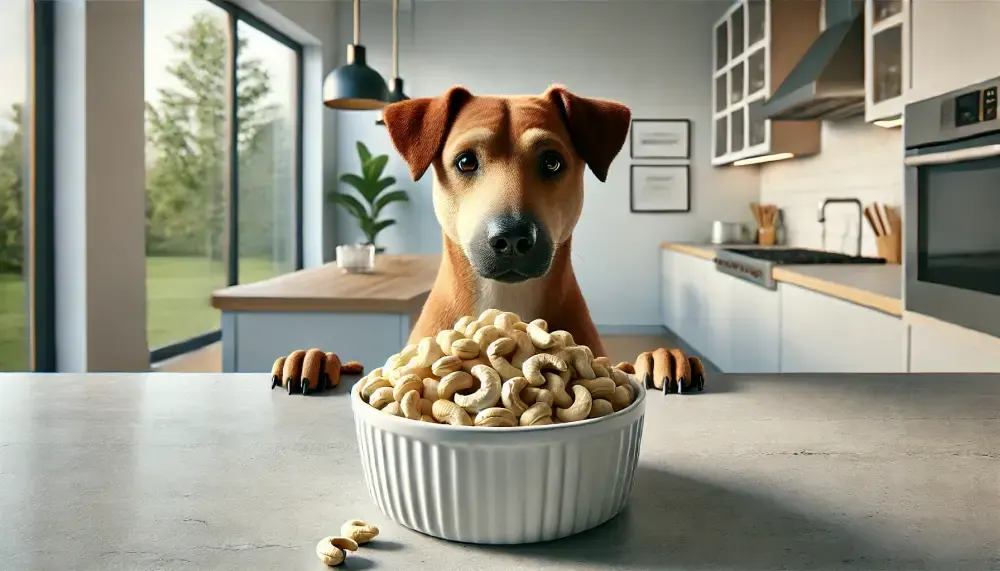
Cashews are a popular and nutritious snack for humans, packed with healthy fats, vitamins, and minerals. But as a dog owner, you may wonder whether it’s safe to share these tasty nuts with your furry companion. While some nuts are toxic to dogs, cashews are generally considered safe in moderation. However, there are a few important factors to consider before offering cashews as a treat to your pet. In this article, we’ll explore the safety of cashews for dogs, their potential benefits, risks, and how to serve them properly.
Are Cashews Safe for Dogs?
Yes, cashews are safe for dogs, but only when given in moderation and under specific conditions. Unlike other nuts like macadamia nuts, which are toxic to dogs, cashews do not contain harmful substances that could cause serious health issues. However, cashews are high in fat, which can be problematic if consumed in large amounts. Additionally, certain additives and processing methods, such as salted or flavored cashews, can pose risks to your dog’s health.
Nutritional Benefits of Cashews for Dogs
Cashews offer several nutrients that can be beneficial for dogs when consumed in small quantities. These include:
- Healthy Fats: Cashews are rich in healthy unsaturated fats that support skin and coat health in dogs. However, excessive fat intake can lead to weight gain and pancreatitis, so it’s crucial to limit portions.
- Vitamins and Minerals: Cashews are a good source of vitamins and minerals such as magnesium, phosphorus, and copper, which are essential for bone health, energy production, and overall well-being.
- Protein: Cashews contain plant-based protein, which can help supplement a dog’s protein intake, though it should never replace animal-based proteins, which are vital for canine health.
Risks of Feeding Cashews to Dogs
While cashews are not toxic, there are several potential risks associated with feeding them to dogs:
- High Fat Content: Cashews are calorie-dense and high in fat, which can lead to obesity, pancreatitis, and other health problems if given too frequently or in large quantities. Dogs with a history of pancreatitis should avoid cashews altogether.
- Allergies: Like humans, dogs can have food allergies, and nuts are a common allergen. If your dog shows signs of an allergic reaction after consuming cashews, such as itching, swelling, or digestive upset, discontinue feeding them and consult your veterinarian.
- Choking Hazard: Whole cashews can pose a choking risk, especially for small dogs. Always break the nuts into smaller pieces before offering them to your pet.
- Salt and Additives: Many commercially available cashews are salted or flavored with seasonings that are harmful to dogs. Salt can lead to dehydration, sodium poisoning, and increased blood pressure in dogs. Flavored cashews may contain ingredients like garlic or onion, which are toxic to dogs.
How to Safely Feed Cashews to Dogs
If you decide to give cashews to your dog, follow these guidelines to ensure their safety:
- Choose Plain, Unsalted Cashews: Opt for raw or roasted cashews without any added salt, flavorings, or seasonings. Avoid cashews that are covered in chocolate or other coatings.
- Serve in Small Amounts: Limit the number of cashews to one or two pieces, especially for small dogs. Larger dogs can handle a few more, but moderation is key to preventing excessive calorie intake.
- Monitor Your Dog: Keep an eye on your dog after they’ve eaten cashews, especially if it’s their first time. Watch for any signs of an allergic reaction or digestive upset, such as vomiting, diarrhea, or lethargy.
- Consult Your Veterinarian: If you’re unsure about feeding cashews to your dog or if your dog has a pre-existing health condition such as pancreatitis or obesity, consult your veterinarian before introducing cashews into their diet.
Can Cashews Be a Regular Part of a Dog’s Diet?
While cashews can occasionally be given as a treat, they should not become a regular part of your dog’s diet. Dogs thrive on a balanced diet that is high in animal-based proteins and healthy fats, which are specifically formulated to meet their nutritional needs. Cashews are a fun, occasional snack but should not replace any portion of their regular meals.
Signs Your Dog Should Avoid Cashews
Certain dogs may be more sensitive to nuts or have health conditions that make cashews unsuitable. Here are some signs that your dog should avoid cashews:
- Weight Issues: Dogs that are overweight or prone to weight gain should avoid high-fat treats like cashews.
- History of Pancreatitis: Dogs with pancreatitis or a history of this condition should avoid fatty foods like cashews, as they can trigger flare-ups.
- Allergies: If your dog has known food allergies, especially to nuts, it’s best to avoid feeding them cashews or any other nuts.
- Digestive Problems: If your dog has a sensitive stomach or has experienced digestive issues after consuming high-fat foods, cashews may not be a suitable treat.
In small amounts, cashews can be a safe and tasty treat for dogs, but they must be served with caution. Always choose plain, unsalted cashews and offer them in moderation to avoid potential health risks. If your dog has any pre-existing health conditions, consult your veterinarian before introducing cashews or any new treat into their diet. Remember, while sharing human snacks with your pet can be fun, their health and well-being should always come first.
By following these guidelines, you can enjoy giving your dog a special treat every now and then without compromising their health. Keep cashews as an occasional snack, and your dog will remain happy and healthy for years to come!


