Antihistamines for Cats: Understanding Their Role in Feline Health
We earn from qualifying Amazon purchases. It doesn't change what we recommend.
Related reading: Fortiflora for Cats: Ensuring Your Feline’s Digestive Health.
For general feline health context, the Merck Veterinary Manual cat-owner pages are a reliable starting point, and your veterinarian should guide individual decisions.
Cats, much like humans, can suffer from allergies that cause discomfort and irritation. Whether it’s a seasonal allergy, a reaction to certain foods, or a sensitivity to environmental factors like dust or pollen, these allergies can significantly impact a cat’s well-being. Antihistamines are a common treatment option that many veterinarians recommend to alleviate the symptoms of allergies in cats. In this article, we’ll explore how antihistamines work, when they should be used, and the potential side effects to consider.
What Are Antihistamines?
Antihistamines are a class of drugs that block the effects of histamine, a substance produced by the body’s immune system during an allergic reaction. Histamine causes symptoms such as itching, swelling, redness, and sneezing. By blocking histamine, antihistamines can help reduce these symptoms and provide relief to your cat.
When Are Antihistamines Used for Cats?
Antihistamines are typically prescribed for cats experiencing allergic reactions or conditions such as:
- Seasonal Allergies: Just like humans, cats can be affected by pollen, grass, and other seasonal allergens. If your cat is sneezing more than usual, scratching excessively, or showing signs of discomfort during certain times of the year, antihistamines may help.
- Food Allergies: Cats can develop allergies to certain foods, which can manifest as skin irritation, gastrointestinal upset, or other symptoms. Antihistamines can be part of the treatment plan to manage these allergic reactions.
- Environmental Allergies: Dust, mold, and other environmental factors can trigger allergic reactions in cats. If your cat seems to be constantly itching or has watery eyes, an environmental allergy could be the cause.
- Flea Allergies: Some cats are highly sensitive to flea bites, leading to intense itching and skin problems. In these cases, antihistamines can help reduce the allergic response to flea bites.
Types of Antihistamines for Cats
There are several antihistamines that veterinarians commonly prescribe for cats. These include:
- Diphenhydramine (Benadryl): One of the most commonly used antihistamines for cats, Diphenhydramine is effective for treating various allergic reactions. It is available over-the-counter, but you should always consult your veterinarian before administering it to ensure the correct dosage.
- Chlorpheniramine: Chlorpheniramine is often recommended for cats with mild to moderate allergies. It can be used to treat symptoms such as sneezing, itching, and runny eyes.
- Cetirizine (Zyrtec): Cetirizine is a newer antihistamine that is less likely to cause drowsiness. It is often used to manage chronic allergy symptoms in cats.
- Hydroxyzine: Hydroxyzine is a prescription antihistamine that is used to treat more severe allergic reactions in cats. It is often used when other antihistamines are not effective.
How Are Antihistamines Administered?
Antihistamines for cats are available in various forms, including tablets, liquid, and even injectables. The method of administration will depend on your cat’s condition, the severity of their symptoms, and the specific antihistamine prescribed.
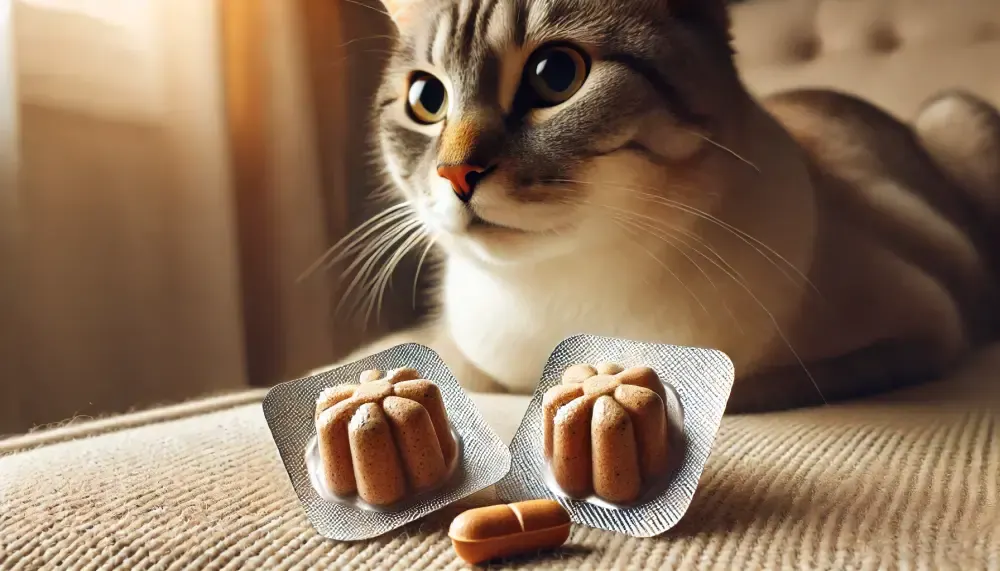
- Tablets: Tablets are the most common form and can be easily administered by mixing them with your cat’s food or using a pill pocket.
- Liquid: Liquid antihistamines can be easier to administer, especially for cats that have difficulty swallowing pills. They can be mixed with food or given directly into the mouth using a syringe.
- Injectables: In some cases, your veterinarian may administer an injectable antihistamine, particularly in emergency situations or when oral administration is not possible.
Dosage and Safety Considerations
The correct dosage of antihistamines for cats is crucial to ensure their safety and effectiveness. Never administer human antihistamines to your cat without veterinary guidance, as the dosage and formulation can differ significantly.
Here are some key considerations:
- Consult Your Veterinarian: Before giving your cat any antihistamine, always consult with your veterinarian. They can recommend the appropriate type and dosage based on your cat’s weight, age, and overall health.
- Monitor for Side Effects: While antihistamines are generally safe for cats, some may experience side effects such as drowsiness, dry mouth, or gastrointestinal upset. If you notice any adverse reactions, contact your veterinarian immediately.
- Avoid Overdosing: An overdose of antihistamines can be dangerous and lead to serious health issues such as seizures or coma. Always follow your veterinarian’s instructions carefully.
Potential Side Effects of Antihistamines in Cats
Although antihistamines are generally safe for feline use, they can sometimes cause side effects. The most common side effects include:
- Drowsiness: Some cats may become more lethargic or sleepy after taking antihistamines, especially with drugs like Diphenhydramine.
- Dry Mouth: Antihistamines can reduce saliva production, leading to dry mouth. Make sure your cat has access to plenty of fresh water.
- Gastrointestinal Upset: Some cats may experience vomiting or diarrhea after taking antihistamines. If this occurs, consult your veterinarian to adjust the dosage or switch to a different medication.
- Behavioral Changes: In rare cases, antihistamines can cause hyperactivity or agitation in cats.
When Not to Use Antihistamines
While antihistamines can be highly effective, they are not suitable for all cats. Avoid using antihistamines if:
- Your Cat Has Certain Medical Conditions: Cats with certain health conditions, such as glaucoma, urinary retention, or severe heart disease, may not be suitable candidates for antihistamine treatment. Always inform your veterinarian of any existing health issues before starting a new medication.
- Your Cat Is Pregnant or Nursing: The safety of antihistamines during pregnancy or nursing has not been fully established. If your cat is pregnant or nursing, consult your veterinarian for alternative treatment options.
- Allergic Reaction: If your cat has previously had an allergic reaction to an antihistamine, do not administer the same medication again.
Antihistamines can be a valuable tool in managing allergies in cats, providing much-needed relief from symptoms like itching, sneezing, and skin irritation. However, they should be used with caution and under the guidance of a veterinarian. By understanding the proper use, potential side effects, and safety considerations, you can help ensure that your cat stays healthy and comfortable.
If you suspect your cat has allergies, consult with your veterinarian to determine the best course of action. With the right treatment plan, including the possible use of antihistamines, your feline friend can enjoy a higher quality of life, free from the discomfort of allergic reactions.