Alopecia X in Dogs: Diagnosis First, Not a Home Melatonin Plan
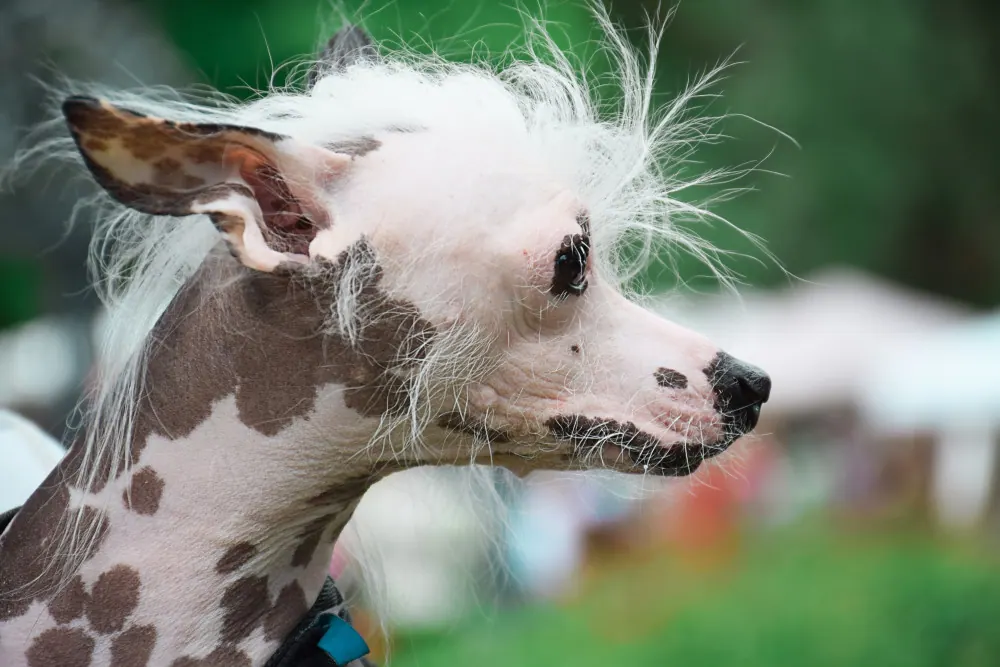
Alopecia X, sometimes called black skin disease, is a cosmetic hair-loss condition seen most often in some plush-coated breeds, such as Pomeranians. It usually does not make a dog systemically ill, but that conclusion belongs to a veterinarian. Other causes of hair loss, including hormone disease, parasites, and infection, have to be ruled out first. There is no single reliable cure. Some dogs are treated with melatonin or other veterinary protocols; those are not do-it-yourself supplements to dose from a blog, and they do not work for every dog.
Not every skin problem is cosmetic; see blastomycosis in dogs for one serious cause.
This is general information, not a diagnosis. The Merck Veterinary Manual dog-owner pages are a reliable place to read more before you talk with your veterinarian.
If your veterinarian has recommended melatonin, you can compare products after that conversation. This page includes a search link only as a convenience, not as a treatment plan and not as a dose. Do not start hormones, melatonin, or medicated shampoos for hair loss without a diagnosis.
As an Amazon Associate, we earn from qualifying purchases.
Alopecia X, colloquially known as “Black Skin Disease,” is a condition that leads to significant hair loss and skin changes in dogs. This condition, although non-life-threatening, can be distressing for both pets and their owners due to its impact on the dog’s appearance and potential secondary skin issues. In this comprehensive article, we delve into the causes, symptoms, diagnostic procedures, and treatment options for Alopecia X, providing pet owners with the knowledge to better understand and manage this condition.
Understanding Alopecia X
Alopecia X is a complex condition characterized by progressive hair loss and hyperpigmentation of the skin. It typically affects middle-aged dogs, with certain breeds like Pomeranians, Chow Chows, and Alaskan Malamutes being more predisposed. Despite extensive research, the exact cause of Alopecia X remains unknown, leading to its designation as “X”. It’s believed to be related to hormonal imbalances, particularly those involving the adrenal glands, although no definitive hormonal pattern has been identified.
Symptoms of Alopecia X
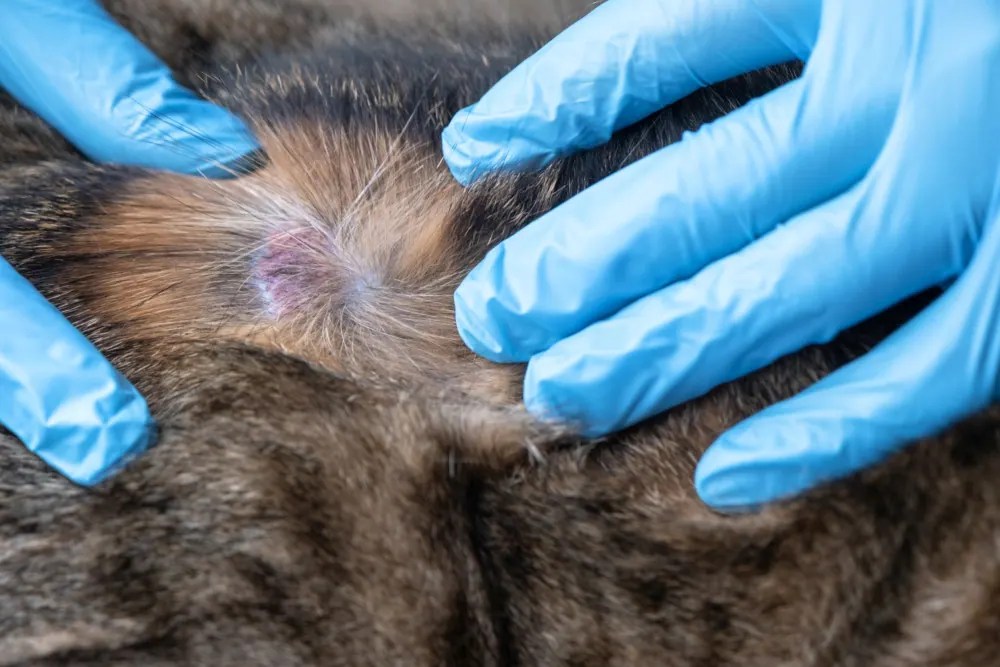
The most apparent sign of Alopecia X is non-inflammatory hair loss that usually starts symmetrically on the trunk before progressing to other parts of the body. Unlike other conditions, the hair loss seen in Alopecia X is not accompanied by itching or discomfort. Over time, the skin in the affected areas may become dark and thickened, a condition known as hyperpigmentation. These changes are purely cosmetic and do not affect the dog’s general health.
Diagnosis of Alopecia X
Diagnosing Alopecia X involves ruling out other causes of hair loss and skin changes. A thorough medical history and physical examination are the first steps. Veterinarians may perform various tests, including skin scrapings, fungal cultures, and blood work, to exclude conditions like demodicosis, dermatophytosis, and hypothyroidism. Advanced testing, such as hormone assays and adrenal function tests, may also be conducted to further investigate the underlying cause.
Treatment and Management
Currently, there is no cure for Alopecia X, but there are several management strategies that can help improve the condition of the dog’s coat and skin. Treatment options vary and may include:
- Hormonal Therapy: Some dogs respond to hormonal treatments that target the adrenal glands, although these can have significant side effects.
- Melatonin Supplementation: Melatonin has been used successfully in some cases to stimulate hair growth and improve coat condition.
- Grooming and Skincare: Regular grooming and the use of moisturizing or medicated shampoos can help manage skin health and appearance.
- Dietary Supplements: Omega-3 fatty acids and antioxidants can support skin health and may improve the condition of the dog’s coat.
See top-rated melatonin for dogs on Amazon
Living with Alopecia X
For many dogs, Alopecia X is a purely cosmetic issue that doesn’t affect their quality of life. With appropriate care and treatment, dogs with Alopecia X can lead happy, healthy lives. It’s important for owners to monitor their pets for any signs of secondary skin infections and to maintain regular veterinary check-ups to manage the condition effectively.
Conclusion
Alopecia X in dogs is a condition characterized by unexplained hair loss and skin changes. While the exact cause remains elusive, understanding the symptoms, diagnostic process, and available treatment options can help pet owners navigate this condition. By providing the right care and support, owners can ensure their dogs with Alopecia X maintain a good quality of life, despite the cosmetic challenges it presents.
In conclusion, while Alopecia X may pose aesthetic concerns, it doesn’t have to significantly impact a dog’s well-being. With the right approach to treatment and management, dogs with this condition can continue to thrive under the loving care of their owners.


