10 Ways to Help Your Dog Lose Weight
We earn from qualifying Amazon purchases. It doesn't change what we recommend.
For general pet-health questions, the AVMA pet-owner resources are a reliable starting point, and your veterinarian should guide individual decisions.
Obesity in dogs is a growing concern, with many pets suffering from health issues related to excess weight. Helping your dog lose weight can significantly improve their quality of life and reduce the risk of serious health problems such as diabetes, heart disease, and joint issues. Here are ten effective ways to help your dog shed those extra pounds and maintain a healthy weight.
1. Consult Your Veterinarian
Before starting any weight loss plan, it’s crucial to consult with your veterinarian. They can determine if your dog’s excess weight is due to overeating or underlying health issues. A vet can provide a tailored weight loss plan based on your dog’s age, breed, and overall health.
2. Assess and Adjust Daily Caloric Intake
Understanding and controlling how many calories your dog consumes each day is essential for weight loss. Your veterinarian can help you calculate the appropriate caloric intake for your dog. Generally, reducing their current intake by 10-20% is a safe starting point for weight loss.
3. High-Quality Diet
Feeding your dog high-quality food that’s rich in nutrients but lower in calories is vital. Look for foods with high protein content and low fat. Avoid foods with empty calories or high amounts of fillers like corn and wheat.
4. Measure Food Portions
Accurately measuring your dog’s food portions can prevent overfeeding, which is a common cause of weight gain. Use a standard measuring cup and consult with your vet about the right portion size for your dog’s needs.
5. Increase Physical Activity
Increasing your dog’s physical activity can help burn extra calories and improve their metabolism. Gradually increase the duration and intensity of walks. Consider fun activities like playing fetch, agility training, or swimming, which are excellent for burning calories.
6. Regular Feeding Schedule
Stick to a regular feeding schedule, usually two times a day, and avoid leaving food out during the day. Consistent feeding times not only help control how much they eat but also assist in regulating their metabolism.
7. Healthy Treats
If you’re training your dog or just want to give them something special, opt for healthy treats. Use treats that are low in calories and designed for weight management. Remember, treats should not constitute more than 10% of your dog’s total calorie intake.
8. Monitor Progress
Regularly monitoring your dog’s weight is crucial. Weigh your dog every few weeks to ensure they are losing weight steadily. Adjustments to their diet or exercise routine may be necessary based on their progress.
9. Hydration
Ensure your dog stays hydrated, especially as they increase physical activity. Fresh water aids digestion and helps metabolize fat. Sometimes, dogs can mistake thirst for hunger, so keeping them hydrated might prevent overeating.
10. Create a Supportive Environment
Everyone in your household should be on board with the dog’s weight loss plan. Make sure no one is sneaking extra treats or meals, which can sabotage your efforts. Consistency from all family members is key to success.
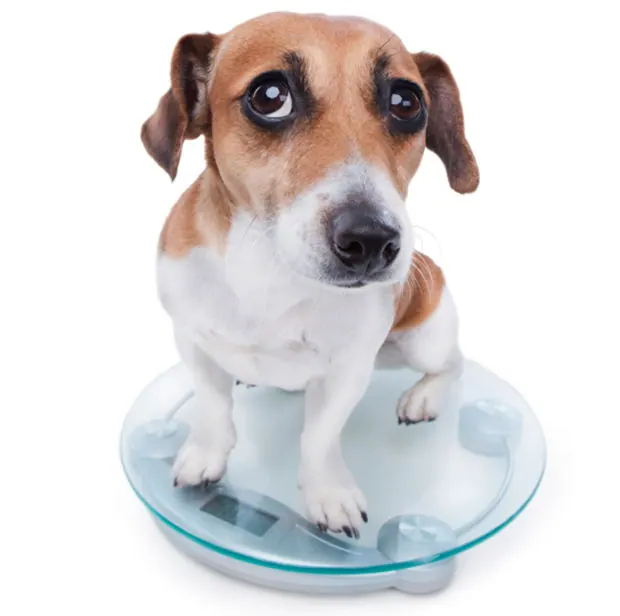
Losing weight can be just as challenging for pets as it is for humans. By implementing these ten strategies, you can help your dog achieve a healthier weight, leading to a happier, more active life. Remember, patience and consistency are crucial throughout your dog’s weight loss journey.


