How to Stop Leash Pulling: Training First, Gear as a Tool
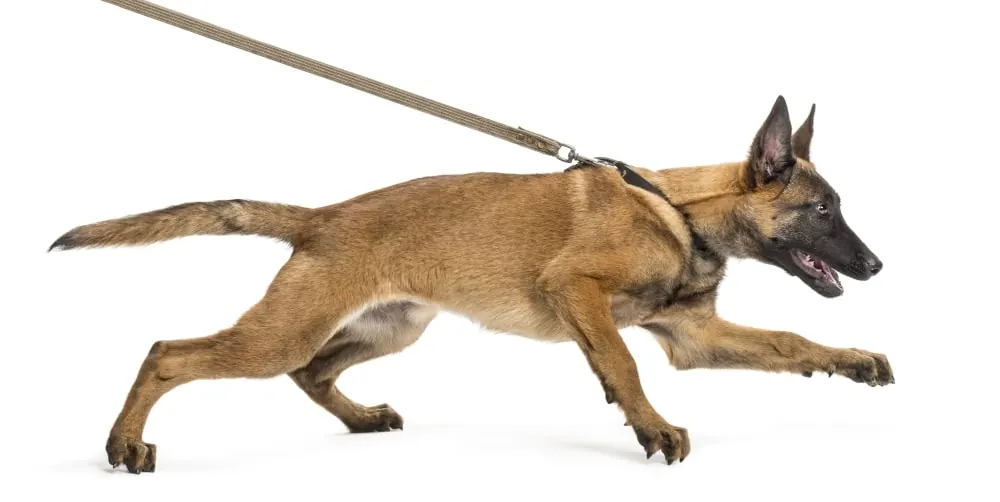
Leash pulling is usually a training and management problem, not a mystery disease. Dogs pull because it works: it gets them closer to smells, dogs, and people. A front-clip no-pull harness can make the walk more manageable, but it is a tool, not a 10-step cure, and it will not replace practice. Retractable leashes often make pulling worse. Short, frequent sessions, rewarding walking near you, and lowering the excitement before you leave the house help more than a one-time “boot camp.” If pulling is sudden, or the dog is coughing, limping, or panicked, get a veterinary check before you assume it is only manners.
For training methods and foundation skills, the AKC expert advice on dog training is a trustworthy overview.
Handling for grooming or vet visits takes practice; see teaching your dog to accept contact.
A good walk still needs a trustworthy person on the other end of the leash; see how to know if your dog walker actually walked your dog.
Outdated dominance ideas still show up in training advice; our note on the dominance theory in dog training explains why reward-based practice is the better default.
Gear should fit well and not rub the neck raw. A harness is often kinder than a tight collar for a strong puller, but no tool is a substitute for teaching the dog what you want. Puzzle time at home, such as a best snuffle mats or best interactive dog toys toy, can take the edge off before a walk.
As an Amazon Associate, we earn from qualifying purchases.
Walking your dog should be a pleasant experience, not a tug-of-war. If your dog pulls on the leash, it can turn a simple outing into a battle of wills. The good news is that with consistency, patience, and the right techniques, you can teach your dog to walk calmly by your side. Here are ten steps to help you achieve a leash-pulling-free walk with your dog.
1. Choose the Right Equipment
Selecting the right harness and leash is the first step to addressing leash pulling. A no-pull harness with a front clip can discourage pulling by gently turning your dog’s body towards you when they pull, making it physically difficult for them to continue. Combine this with a sturdy, comfortable leash of appropriate length to give you better control.
Check price on Amazon: rabbitgoo Dog Harness, No Pull for Large Dogs with 2 Leash Clips, Pet Vest
2. Establish a Reward System
Positive reinforcement is key in dog training. Carry treats with you on walks and reward your dog when they walk by your side or look at you for guidance. This teaches your dog that walking calmly is more rewarding than pulling ahead. Small, soft treats work better than large biscuits on a walk; we compared training treats for dogs that you can deliver quickly and count as part of the day’s food.
3. Start with Short Training Sessions
Begin your training in a familiar, low-distraction environment such as your backyard. Keep the sessions short, about 5 to 10 minutes, to maintain your dog’s attention and prevent both of you from getting frustrated.
4. Use the ‘Be a Tree’ Technique
When your dog starts to pull, immediately stop walking and stand still (like a tree). Hold the leash firmly but don’t jerk it. Continue your walk only when your dog returns to your side or slackens the leash. This teaches your dog that pulling won’t get them anywhere faster.
5. Teach the ‘Look at Me’ Command
Training your dog to respond to a cue like “Look at me” can redirect their attention back to you when they’re distracted or starting to pull. Reward your dog with a treat each time they obey this command during walks.
6. Practice Direction Changes
Unexpectedly changing directions can capture your dog’s attention and reduce leash pulling. If your dog starts pulling in one direction, calmly turn around and walk in the opposite direction. Reward your dog when they follow and catch up by walking nicely at your side.
7. Increase Exercise and Mental Stimulation
Sometimes, leash pulling stems from excess energy. Make sure your dog gets enough physical exercise and mental stimulation throughout the day. Engage them in activities like fetch, agility training, or brain games to burn off energy before walks.
8. Gradually Introduce More Distractions
As your dog gets better at not pulling in controlled environments, gradually introduce more challenging situations. Walk in different neighborhoods or parks where there are more distractions. This helps reinforce their training in different settings.
9. Be Consistent and Patient
Consistency is crucial in any form of training. Use the same commands, cues, and rewards during every walk. Be patient, as breaking the leash-pulling habit won’t happen overnight, but with consistent effort, you will see progress.
10. Seek Professional Help if Needed
If your dog continues to pull on the leash despite your best efforts, consider seeking help from a professional dog trainer. They can provide personalized guidance and additional strategies to curb this behavior.
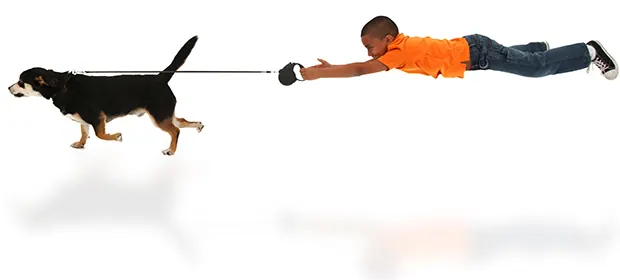
Leash pulling is a common challenge many dog owners face, but it can be resolved with the right approach. By using these ten steps, you can enjoy peaceful, enjoyable walks with your dog, strengthening your bond and improving your outings. Remember, every dog is different, and some may need more time to learn good leash manners. Patience and consistency are your best tools in this journey.