Must-Have Dog Food Ingredients? Completeness Matters More Than a Top-10 List
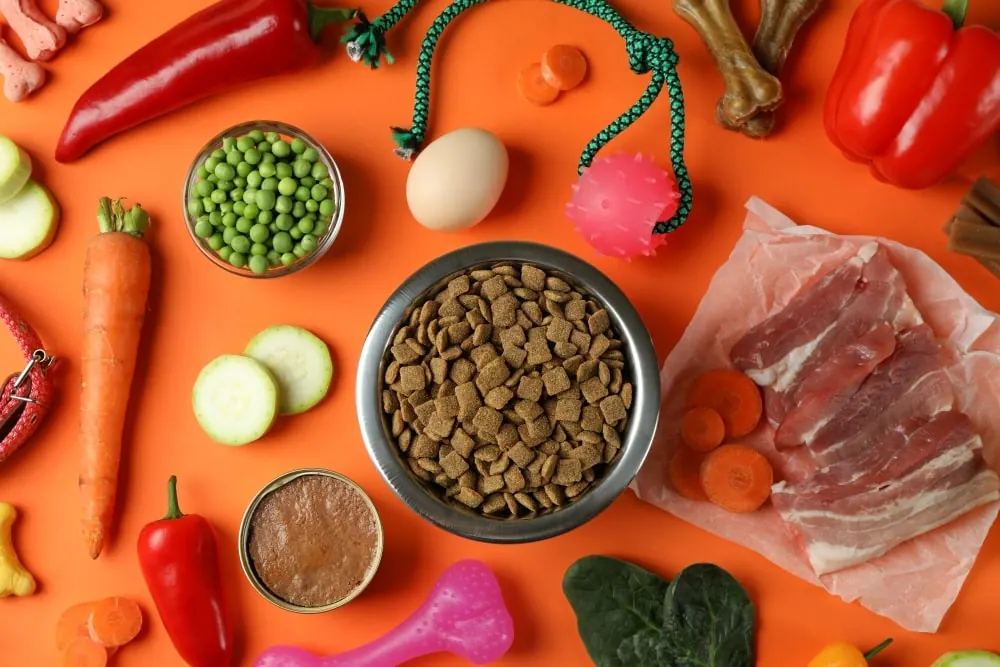
A useful dog food is complete and balanced for your dog’s life stage, not a bag that happens to list ten fashionable ingredients. Protein, fat, vitamins, and minerals all matter, but the right amounts and the overall formula matter more than a shopping list of “must-haves.” Grains are not automatically bad, and “natural” or “human-grade” wording does not replace a nutritional adequacy statement. A homemade mix of meat, veggies, and supplements is easy to get wrong without a veterinary nutritionist.
Look for a complete-and-balanced statement as explained in the FDA guidance on complete and balanced pet food and AAFCO’s consumer guide to understanding pet food. The WSAVA Global Nutrition Guidelines are a useful higher-level reference when you are choosing a food.
For a related food question, see Ingredients to Avoid in Dog Food: Know the Real Toxins From the Debate List.
For a related food question, see How to Break a Dog of Food Obsession: Routine and Management, Not More Treats.
Start with a complete food that fits your dog; see top dog food brands and wet vs dry dog food guide. If your dog has a medical issue, follow your veterinarian rather than adding ingredients from a list.
Ensuring your dog receives a balanced diet rich in essential nutrients is crucial for their health and happiness. Like humans, dogs require a specific blend of ingredients in their diet to maintain optimal health, energy levels, and longevity. This article explores the top 10 must-have ingredients in dog food, explaining why each is essential and how they contribute to your pet’s well-being.
The Must-Have Dog Food Ingredients
1. Protein

Protein is fundamental to a dog’s diet as it is critical for building, repairing, and maintaining tissues. It’s also essential for the growth of new cells and the production of hormones and enzymes necessary for overall health. High-quality sources like chicken, turkey, fish, and beef provide complete amino acid profiles. It’s important for dog owners to choose foods where these proteins are listed as the first ingredient to ensure they are getting a primary source rather than fillers.
2. Carbohydrates

Carbohydrates provide a quick source of energy, allowing dogs to be active and energetic throughout the day. They are also crucial for the proper functioning of the intestines and nervous system. Whole grains like brown rice or carbohydrates from vegetables like sweet potatoes are excellent sources because they provide energy along with dietary fiber, which helps in proper digestion and stool consistency.
3. Veggies

Vegetables in dog food contribute significantly to the nutrient density of the diet. They are high in fiber, low in fat, and rich in essential vitamins and antioxidants, which help reduce oxidative stress and may lower the risk of chronic diseases. Ingredients such as broccoli, spinach, and kale are beneficial, providing both fiber and necessary nutrients like iron and calcium.
4. Fruits

Fruits offer natural sweetness and flavor to dog food while also supplying vitamins, minerals, and antioxidants. They can support heart health and reduce inflammation, and provide dietary fiber which aids in digestion. Fruits such as blueberries are known for their antioxidant properties, while apples provide fiber and vitamin C.
5. Fat

Fats are another critical component in dog food, providing the most concentrated form of energy. They help in the absorption of vitamins and promote the health of the skin and coat. Sources of good fats include chicken fat, fish oil, and flaxseed, which offer omega-3 and omega-6 fatty acids, crucial for controlling inflammation and promoting brain health.
6. Vitamins

Vitamins are vital for energy production, immune function, and overall health. For instance, vitamin A is essential for good vision, vitamin D helps regulate calcium and phosphorus levels for healthy bone growth, and vitamin E supports the immune system. Dog foods should contain a balance of necessary vitamins either through fortification or, ideally, through naturally rich ingredients.
7. Minerals

Minerals support numerous bodily functions including bone formation, nerve signaling, and overall cellular function. Calcium and phosphorus are important for strong bones and teeth, while zinc supports skin health and wound healing. It’s crucial that these minerals are provided in appropriate amounts to support growth and maintenance.
8. Natural Preservatives

Natural preservatives such as tocopherols (forms of Vitamin E), vitamin C, and rosemary extract are used to extend the shelf life of dog food without adding synthetic chemicals. These substances help prevent the oxidation of fats and oils in dog food, maintaining its nutritional quality and palatability.
9. Water

Water is essential for maintaining hydration. Moist or wet dog food typically contains more water, promoting better hydration and aiding digestion. Even in dry foods, moisture content is important to ensure palatability and ease of eating, especially for older dogs.
10. Grains

Grains can be a healthy part of dog food for dogs that are not allergic or sensitive to them. They provide essential nutrients like fiber, which aids in digestion and can help manage blood sugar levels. Whole grains such as barley, brown rice, and oatmeal are preferred over refined grains because they retain their nutritional content, including vitamins and minerals.
In conclusion, a balanced dog food should incorporate a variety of these essential ingredients to ensure a nutritionally complete diet that supports all aspects of your dog’s health. When choosing dog food, always read the ingredients list to make sure it includes these essential elements. Opt for products that prioritize high-quality sources and natural ingredients to provide the best nutrition for your furry friend.


